
Robust, continuous-operation mechanical presses and thermal dryers built to minimize hazardous sludge volume, lower disposal costs, and automate solid-liquid separation.
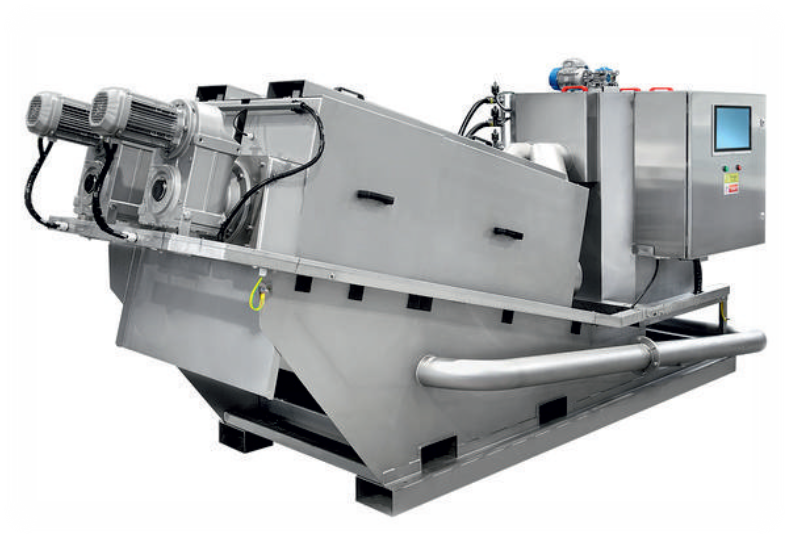
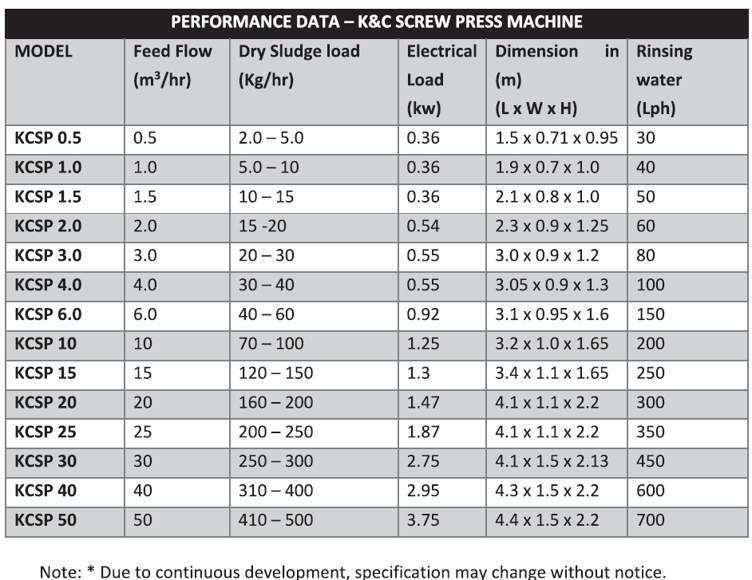
Screw Press Sludge Dewatering Systems for efficient separation of water from sludge generated in Sewage Treatment Plants (STP), Effluent Treatment Plants (ETP) and other wastewater treatment processes.
The Screw Press uses a slow-rotating screw within a cylindrical screening zone to progressively convey, compress and dewater sludge. The system provides continuous operation with relatively low power consumption and can reduce the volume of sludge requiring handling and disposal.
The dewatering system can be integrated with a sludge collection tank, polymer preparation and dosing system, flocculation arrangement and filtrate return line as required.
Conditioned sludge enters the flocculation section where polymer is added to promote the formation of larger sludge flocs. The flocculated sludge then enters the screw press. A slowly rotating screw conveys the sludge through a progressively compacting dewatering zone. Water passes through the screening mechanism, while the concentrated sludge is discharged as a dewatered sludge cake. The system operates continuously with controlled sludge compression and cake discharge.
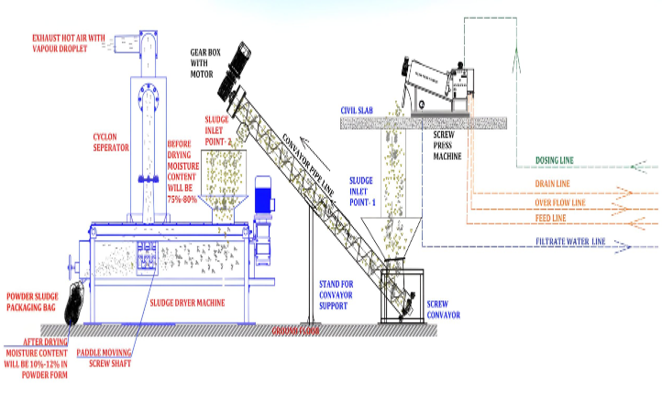
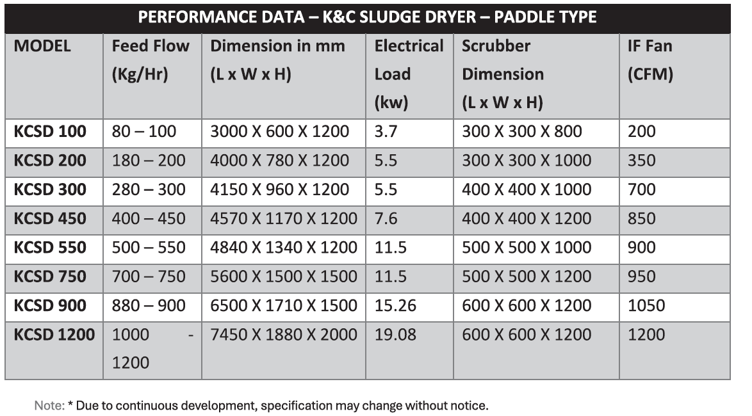
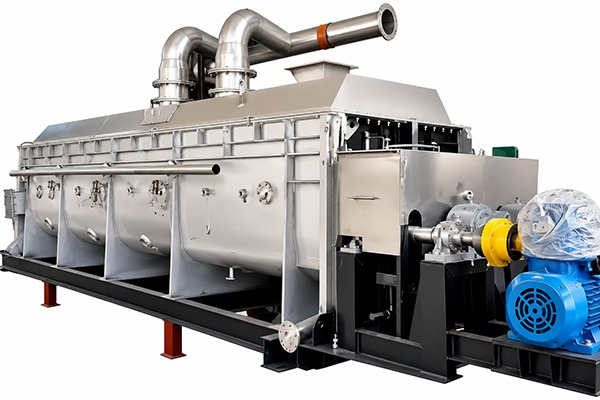
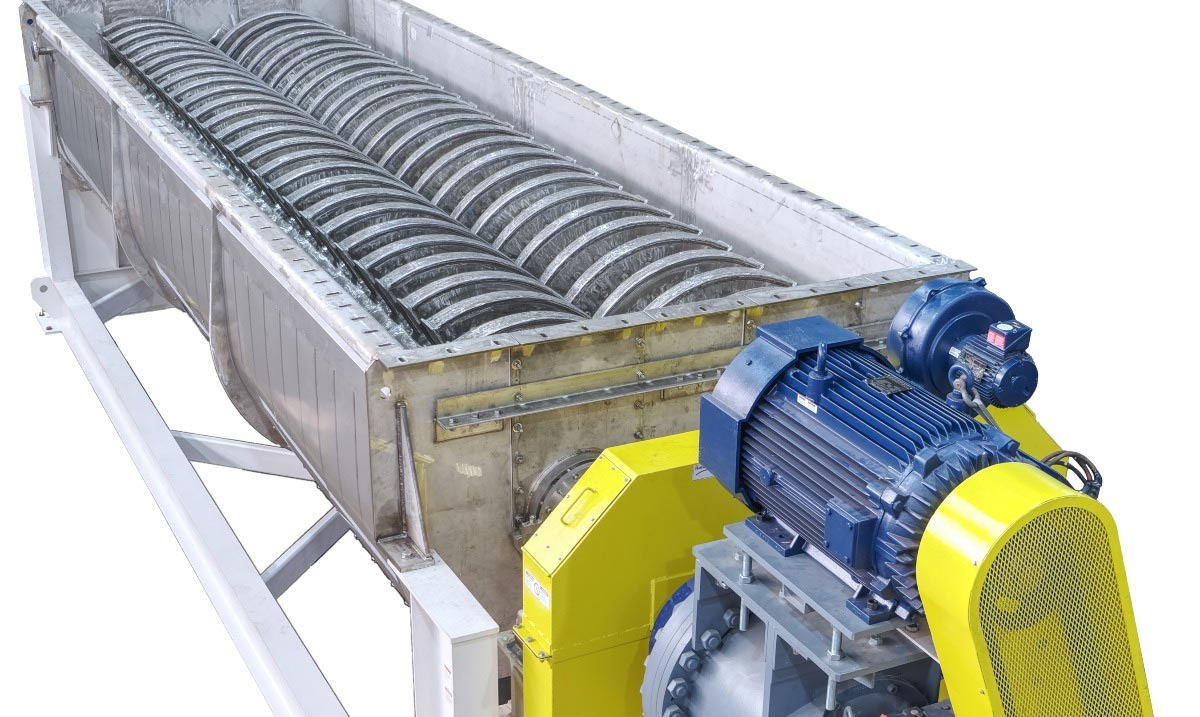
Sludge Dryer Systems for reducing the moisture content and volume of sludge generated from Sewage Treatment Plants (STP), Effluent Treatment Plants (ETP) and industrial wastewater treatment processes.
Sludge drying uses controlled thermal energy to remove moisture from dewatered sludge, producing a drier and more manageable sludge product. This can significantly reduce sludge volume and simplify subsequent handling, transportation, storage and disposal.
Typical Process Flow
Wastewater Treatment Sludge → Sludge Dewatering → Dewatered Sludge → Sludge Dryer → Dried Sludge → Storage / Handling / Disposal / Further Utilization
Dewatered sludge is fed into the drying system, where controlled heat is transferred to the sludge to evaporate its moisture. The drying process can be configured according to the sludge characteristics, feed moisture, required final moisture content, available heat source and application requirements. The evaporated moisture is managed through the dryer exhaust and vapour-handling system, with appropriate odour and air-pollution control provisions where required.
Heat Source Options
The appropriate heat source can be selected based on site conditions and energy availability, such as:
Hot Air | Steam | Thermal Oil | Waste Heat | Other Suitable Heat Sources
The final configuration depends on the required drying temperature, sludge characteristics, available utilities and desired final moisture content.